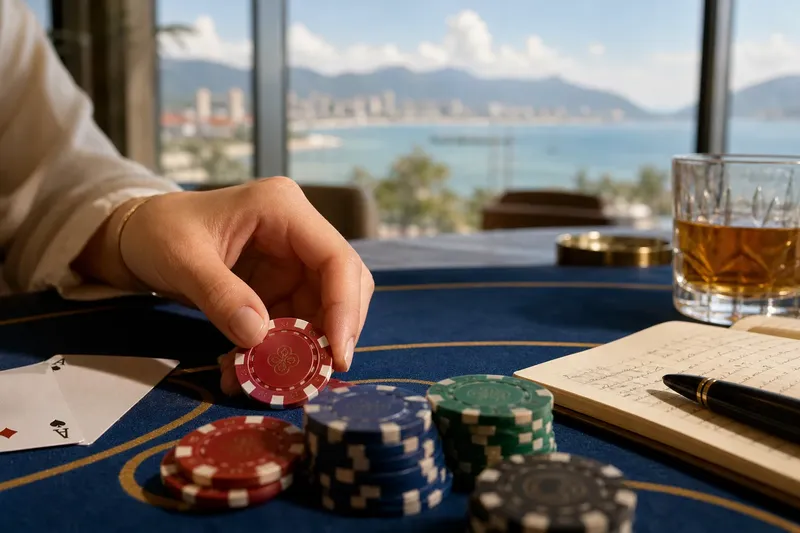
How Seasons Shape the Mood of Casino Stories in Hà Tĩnh
Learn how seasonal details can shape a casino story’s mood in Hà Tĩnh while keeping its characters, setting and claims about local life precise.
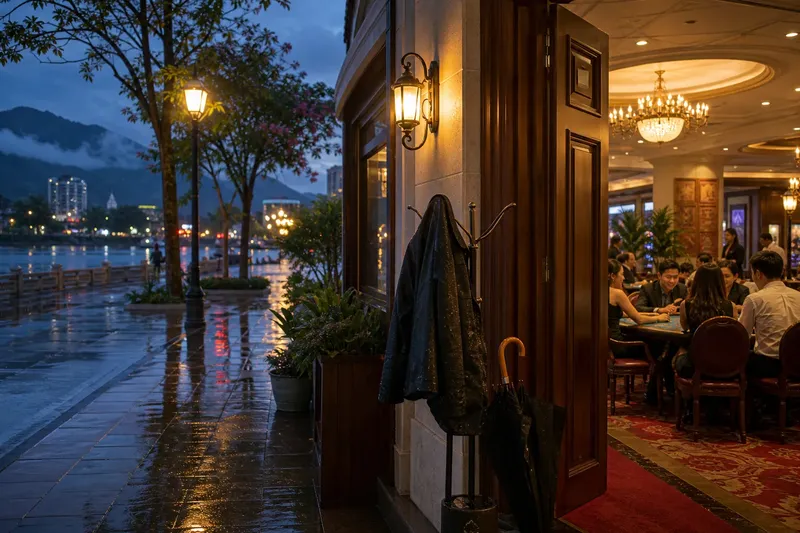
What does a seasonal detail actually add to a casino story in Hà Tĩnh? A rainy doorway, a warm night, or an evening that arrives early can shape the pace of a scene—but none of those details tells readers who gambles or what local people think about chance.
For writers, the useful question is not simply whether to mention the weather. It is how a season can influence a character’s choices and the way a story about luck gets told, without turning atmosphere into a claim about the whole province.
Seasonal story rhythm
Seasons offer a writer a quiet way to shape a scene’s rhythm. A character waiting out a shower might speak slowly; a bustling holiday evening in an invented story might give a tale about luck a more animated setting.
Those choices work best when they belong to specific characters rather than an assumed local temperament. A fictional guest can feel reflective on a rainy evening, but that feeling should not be presented as a shared Hà Tĩnh response to rain.
Let the season influence the scene’s pace, not stand in for the people who live there.
Stories of chance
A story about a lucky break changes as its teller chooses what to emphasize. One fictional character might linger on the surprise; another might remember the awkward pause before the outcome. Seasonal details can frame that retelling, but they do not establish whether the event happened or how people elsewhere tell similar stories.
Imagine a fictional guest arriving at a casino-themed gathering on a damp evening, then telling a friend about a card game that turned unexpectedly. The writer gives the guest a wet coat to hang by the door and has the friend ask what happened next; the result is a grounded exchange with a clear setting, not a report about actual visitors or gambling in Hà Tĩnh.
Keep the focus on what a particular character says and leaves unsaid.
Seasonal detail choices
A seasonal detail can be more useful when it gives a character something concrete to do. A fictional guest might shake rain from an umbrella, pause at a doorway as the evening cools, or step outside to catch a breeze before continuing a conversation.
Each action can affect the scene without implying that weather dictates real leisure habits. If a story names a local celebration or describes a particular seasonal custom as fact, the writer needs reliable confirmation that the detail is accurate and relevant.
- Rain on a fictional street: If the scene is invented, identify it as fiction; if it is reported, verify the place and conditions or remove the specific weather claim.
- A character’s reaction: If one guest says rain makes them reflective, keep that response personal; if the sentence describes residents generally, narrow it or support it with reporting.
- A holiday reference: If the celebration is confirmed and relevant, name it accurately; if not, use a general seasonal cue or leave it out.
- A claim about attendance: If reliable reporting supports a change, describe only what it establishes; if it does not, avoid linking weather to visitor behavior.
- A mood attached to Hà Tĩnh: If the wording makes the province sound uniformly gloomy, festive, lucky, or risk-seeking, revise it to describe a specific character or scene.
- A decorative detail: If it clarifies a character’s action or the scene’s pace, keep it; if it merely fills space, cut it and give the conversation room.
Questions about seasonal casino stories?
Can weather set a factual scene?
Yes, if the weather and setting are observed or otherwise confirmed. A verified rainy evening can describe a scene, but it cannot by itself support claims about attendance, gambling habits, or public opinion.
How can fiction stay distinct from reporting?
Use a clear cue such as “in this fictional scene,” and keep invented characters and events identifiable as invented. Avoid placing imagined details beside factual claims in a way that makes the boundary hard to see.
Should a story name a local holiday?
Only when the holiday is relevant and the detail has been confirmed. A calendar reference does not establish that everyone observes the occasion or connects it with casino leisure.
What if local context is limited?
Keep the seasonal description modest and avoid broad claims about Hà Tĩnh residents. A writer can develop a fictional character’s mood while leaving unreported local patterns unasserted.
Seasonal writing choices
For a casino story in Hà Tĩnh, seasonal imagery is most effective when it gives a particular character a setting, an action, or a reason to pause. It becomes less useful when it tries to explain local behavior without support.
Before keeping a detail, ask what it does for the scene: does it shape a conversation, mark a transition, or reveal a character’s attention? If it does none of those things, the story may be stronger without it.